
Rebuilding Confidence After Leukemia Treatment: Understanding Reconstructive and Aesthetic Options During Recovery
More than 18 million cancer survivors are living in the United States today, and advances in treatment continue to improve long-term survival rates for people diagnosed with leukemia. Data from the National Cancer Institute shows that survival outcomes for many forms of leukemia have improved significantly over recent decades, allowing more individuals to focus on life after treatment.
Recovery, however, often involves more than medical monitoring and follow-up care. Leukemia treatments such as chemotherapy, radiation therapy, stem cell transplantation, and long-term medication use can leave lasting physical changes that affect appearance and self-image. As survivors adjust to life after treatment, many seek information about options that may help address these changes. Resources provided by CNY Cosmetic & Reconstructive Surgery represent one example of the types of reconstructive and aesthetic services that may be discussed within broader cancer recovery support networks.
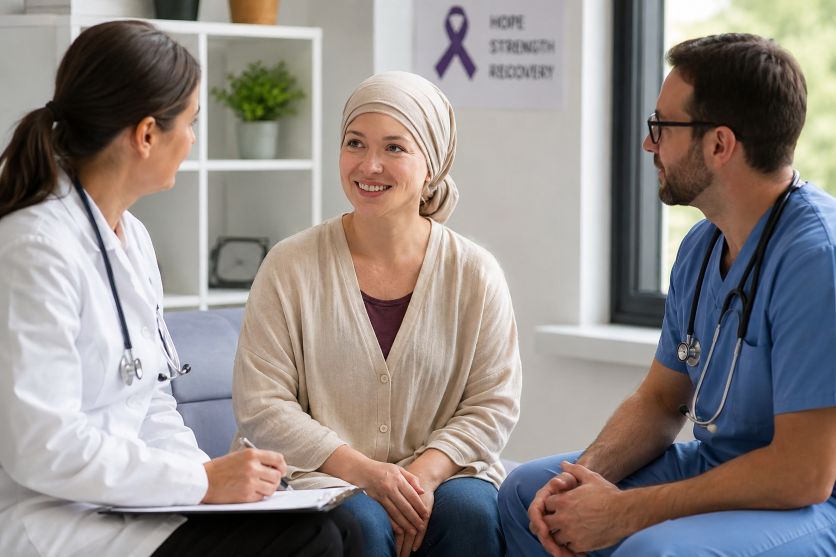
The Challenge: How Leukemia Treatment Can Affect Physical Appearance and Self-Image
Leukemia primarily affects the blood and bone marrow, but the treatments used to manage the disease can influence many aspects of physical appearance. While these changes are often temporary, some may persist long after treatment has ended.
Hair loss remains one of the most visible side effects associated with chemotherapy. Although hair frequently grows back, texture, color, and density may change. Research published by the American Cancer Society notes that some survivors experience ongoing concerns related to hair regrowth and body image even after treatment is complete.
Weight fluctuations are another common concern. Treatment-related fatigue, medication use, reduced physical activity, and changes in appetite can contribute to weight gain or loss. Steroid medications prescribed during leukemia treatment may also affect body composition and facial appearance.
Skin changes can persist as well. Survivors may notice differences in pigmentation, scarring from medical procedures, increased skin sensitivity, or changes in skin elasticity. For some individuals, these physical reminders of treatment can have a lasting emotional impact.
Common Long-Term Changes Experienced by Survivors
Every recovery journey is unique, but several long-term concerns are frequently reported among leukemia survivors.
- Persistent scarring from central line placements or surgical procedures
- Changes in facial volume or body contours
- Skin discoloration or texture changes
- Hair thinning or altered hair growth patterns
- Weight-related changes affecting appearance
- Physical asymmetries resulting from treatment complications
These changes may seem minor from a medical perspective, yet they can influence how individuals perceive themselves. Experts at the National Coalition for Cancer Survivorship emphasize that survivorship includes physical, emotional, social, and practical aspects of recovery. Appearance-related concerns often intersect with all four areas.
Returning to work, attending social gatherings, or participating in family activities may feel different when survivors struggle to recognize their post-treatment appearance. These concerns are common and deserve thoughtful attention within a comprehensive recovery plan.
The Solution: The Role of Reconstructive and Aesthetic Procedures in Recovery
As survivors move beyond active treatment, some explore reconstructive or aesthetic procedures to address lingering physical changes. These interventions are generally considered elective and are pursued for a variety of personal reasons.
Reconstructive procedures focus on restoring function, correcting physical abnormalities, or addressing treatment-related changes. Depending on individual circumstances, reconstructive specialists may help improve the appearance of scars, address tissue irregularities, or restore areas affected by medical interventions.
Aesthetic procedures, on the other hand, are typically designed to enhance appearance and improve self-confidence. These may include non-surgical treatments, skin rejuvenation techniques, scar management therapies, or other cosmetic options appropriate for a survivor’s health status. For survivors concerned about ongoing hair thinning or incomplete regrowth, resources discussing coping with hair loss after leukemia treatment can provide additional insight into available restorative options and the factors that should be considered before pursuing them.
Research published in the Journal of Clinical Oncology has highlighted the importance of quality-of-life outcomes in cancer survivorship. While medical recovery remains the primary goal, appearance-related concerns can influence overall well-being and satisfaction during long-term recovery.
Importantly, healthcare providers generally recommend that survivors consult their oncology team before pursuing elective procedures. Medical history, immune function, healing capacity, and ongoing treatments may affect eligibility and timing.
Psychological and Quality-of-Life Considerations
Physical recovery and emotional recovery often occur on different timelines. A person may receive positive medical results while still struggling with self-confidence, anxiety, or changes in identity.
Studies supported by the American Society of Clinical Oncology indicate that cancer survivors frequently experience body image concerns that can affect relationships, social participation, and mental health. These experiences are not limited to individuals who undergo extensive surgery. Even subtle appearance changes can influence confidence and self-perception.
For some survivors, addressing physical concerns through reconstructive or aesthetic treatments contributes to a greater sense of normalcy. Others may find support through counseling, survivor groups, wellness programs, or rehabilitation services.
There is no single path to rebuilding confidence. Recovery plans often work best when they incorporate both physical and emotional support systems. Mental health professionals, rehabilitation specialists, nutrition experts, dermatologists, and reconstructive surgeons may all play roles within a multidisciplinary survivorship approach.
Recovery Support Networks Beyond Medical Treatment
Cancer survivorship has increasingly become a collaborative field involving multiple healthcare disciplines. Modern recovery support networks may include oncologists, primary care physicians, psychologists, physical therapists, nutrition professionals, and specialists in reconstructive care.
The Centers for Disease Control and Prevention recognizes survivorship care as an important component of long-term health management. Follow-up care plans frequently address physical health, emotional wellness, lifestyle factors, and ongoing monitoring for treatment-related effects.
Within these broader support systems, reconstructive and cosmetic specialists may help survivors evaluate options for addressing appearance-related concerns. Their role is generally one part of a much larger recovery process that focuses on helping individuals regain confidence, functionality, and quality of life.
The decision to pursue elective treatments remains highly personal. Some survivors feel empowered by exploring these options, while others choose to focus on different aspects of recovery. Both approaches are valid.
Key Considerations Before Pursuing Elective Procedures After Cancer Treatment
Before considering any reconstructive or aesthetic intervention, survivors should discuss several important factors with their healthcare team.
- Current cancer status and follow-up treatment plans
- Overall physical health and healing capacity
- Potential risks and benefits of the procedure
- Realistic expectations regarding outcomes
- Psychological readiness and personal goals
- Recovery time and possible limitations
Experts note that informed decision-making is essential. Survivors should seek qualified medical professionals, ask detailed questions, and ensure that any procedure aligns with their broader health objectives.
Open communication between oncology providers and reconstructive specialists can help ensure that decisions support both medical safety and personal well-being.
Conclusion
Leukemia survivorship extends far beyond the completion of treatment. Physical changes resulting from therapy can affect self-image, confidence, and overall quality of life long after remission is achieved. While many survivors adapt naturally over time, others explore reconstructive care, scar management, cosmetic treatments, or other appearance-focused interventions as part of their recovery journey.
As research continues to highlight the importance of survivorship care, healthcare professionals increasingly recognize that emotional well-being and physical appearance can be meaningful components of recovery. By working closely with medical teams, evaluating available options carefully, and considering both physical and psychological needs, leukemia survivors can make informed decisions that support their long-term health and confidence.