
Facial Skin Changes Patients May Notice During Recovery
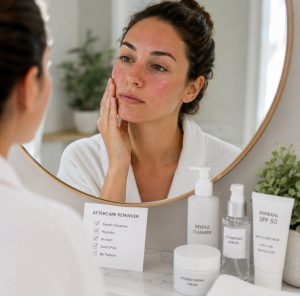 Recovery is an important part of any facial beauty treatment. Whether a patient receives a chemical peel, laser treatment, microneedling, facial surgery, or an advanced skincare procedure, the skin often undergoes temporary changes before the final results appear.
For many patients, these reactions can feel unexpected if they are not prepared beforehand. That is why beauty and wellness companies like NewBeautyCompany often focus heavily on post-treatment education and aftercare support.
Understanding normal recovery changes helps patients feel more confident during the healing process. It also allows beauty professionals to build trust by setting realistic expectations. While every treatment and skin type is different, there are several common facial skin changes patients may notice during recovery.
Redness and Sensitivity
One of the most common post-treatment effects is redness. After treatments like chemical peels, laser procedures, microneedling, or exfoliating facials, the skin may appear pink or red for several hours or even days. This happens because many beauty treatments intentionally stimulate the skin to encourage renewal and collagen production. Some patients describe the feeling as similar to mild sunburn. During this stage, the skin may also become more sensitive to:
- Sun exposure
- Heat
- Harsh skincare products
- Fragrance ingredients
- Excessive touching
Beauty clinics often recommend gentle cleansers, hydrating products, and sun protection during recovery. Professional aftercare guidance is especially important because using the wrong products too soon can increase irritation. Most redness gradually fades as the skin heals.
Dryness and Peeling
Many facial treatments speed up skin cell turnover. As a result, dryness and peeling are common during recovery. Patients may notice flaky patches, rough texture, or visible shedding a few days after treatment. This is especially common after:
- Chemical peels
- Laser resurfacing
- Retinol-based treatments
- Acne correction procedures
Peeling can vary from very mild to more noticeable, depending on the strength of the treatment. Beauty professionals usually advise patients not to pick or scrub peeling skin. Trying to remove flaking skin too early may increase irritation or affect results. Instead, clinics often recommend:
- Hydrating moisturizers
- Barrier-repair creams
- Gentle cleansing routines
- Avoiding strong exfoliants
Patients are sometimes surprised that dry skin can appear after treatments designed to improve hydration or glow. However, temporary dryness is often part of the skin renewal process.
Swelling and Puffiness
Some treatments can cause temporary inflammation, leading to mild swelling or puffiness. This is especially common after:
- Injectable treatments
- Facial contouring procedures
- Laser therapies
- Surgical cosmetic procedures
- Microneedling sessions
Swelling is usually most noticeable during the first few days of recovery. Areas around the eyes and cheeks may appear fuller or tighter than usual. Beauty providers often suggest cold compresses, hydration, and rest to help reduce puffiness.
Patients are also commonly advised to avoid excessive heat, liquor, or strenuous exercise immediately after treatment because these activities may increase inflammation. In most cases, swelling improves gradually as the healing process continues.
Temporary Breakouts
Some patients experience temporary breakouts during recovery. This can happen when the skin is adjusting to increased cell turnover or when impurities trapped beneath the surface begin to clear. Treatments that may occasionally trigger short-term purging include:
- Chemical exfoliation
- Acne facials
- Retinol treatments
- Deep cleansing procedures
Although breakouts can feel frustrating, they are not always a sign that the treatment failed. Beauty professionals often explain that the skin may need time to rebalance. However, it is important for clinics to closely monitor recovery. If irritation becomes severe or prolonged, patients may need adjustments to their skincare routine or follow-up care. Professional guidance during this stage helps prevent patients from overusing harsh acne products that could worsen sensitivity.
Tightness and Texture Changes
During recovery, the skin may temporarily feel tighter than usual. This is often part of the healing process after resurfacing or collagen-stimulating treatments. Some patients also notice temporary texture changes, including:
- Roughness
- Minor bumps
- Dry patches
- Uneven skin feel
These changes are often temporary and improve as the skin barrier recovers. Beauty clinics usually recommend avoiding aggressive exfoliation during this stage. The skin may look different from day to day while healing, which is why realistic recovery timelines are important. Patients sometimes expect immediate results, but many professional treatments require patience before full improvements become visible.
Increased Sun Sensitivity
Many beauty treatments leave the skin more vulnerable to sun exposure. Freshly treated skin is more sensitive to UV rays, increasing the risk of irritation and redness. This is why beauty professionals strongly emphasize sun protection during recovery. Patients are commonly advised to:
- Wear broad-spectrum sunscreen
- Avoid direct sun exposure.
- Use hats or protective clothing.
- Reapply SPF regularly
Post-treatment sun care is especially important after chemical peels, laser procedures, and exfoliating treatments. Without proper protection, patients may compromise their final results. Beauty and wellness companies often include aftercare kits or personalized skincare recommendations to help clients protect their skin during the healing process.
Skin Appearing Worse Before It Improves
One of the most important things patients should understand is that the skin may temporarily look worse before it looks better. Redness, peeling, dryness, or breakouts can make patients feel anxious during the early recovery phase. However, many professional beauty treatments work by triggering controlled skin renewal. As the skin heals, patients often begin to notice improvements such as:
- Smoother texture
- Brighter complexion
- Reduced acne scars
- More even tone
- Improved firmness
Beauty professionals play an important role in preparing patients for this timeline. Clear communication helps reduce unrealistic expectations and supports a more positive recovery experience.
The Importance of Professional Aftercare
Recovery does not end when the treatment appointment is over. Proper aftercare is one of the most important parts of achieving successful results. Beauty clinics often provide customized recovery instructions based on the patient’s skin type, treatment intensity, and overall goals. This may include recommendations for:
- Cleansers
- Moisturizers
- SPF products
- Healing serums
- Makeup restrictions
- Activity limitations
Professional follow-up appointments also allow providers to monitor healing progress and address concerns early. Many modern beauty companies now focus on long-term skin health rather than quick cosmetic fixes. This patient-centered approach helps create safer and more effective treatment experiences.
Final Thoughts
Facial skin changes during recovery are a normal part of many professional beauty treatments.
Patients may experience redness, peeling, dryness, swelling, sensitivity, or temporary breakouts as the skin heals and renews itself. While these effects can sometimes feel concerning, they are often temporary and manageable with proper care.
Beauty and wellness companies that provide strong aftercare support help patients feel more comfortable throughout the recovery process. By setting realistic expectations and offering personalized guidance, beauty professionals can help clients achieve healthier-looking skin and build confidence throughout their treatment journey.